Monika Khurana’s Full Face Lift Journey: Restoring a Firmer and More Defined Facial Contour
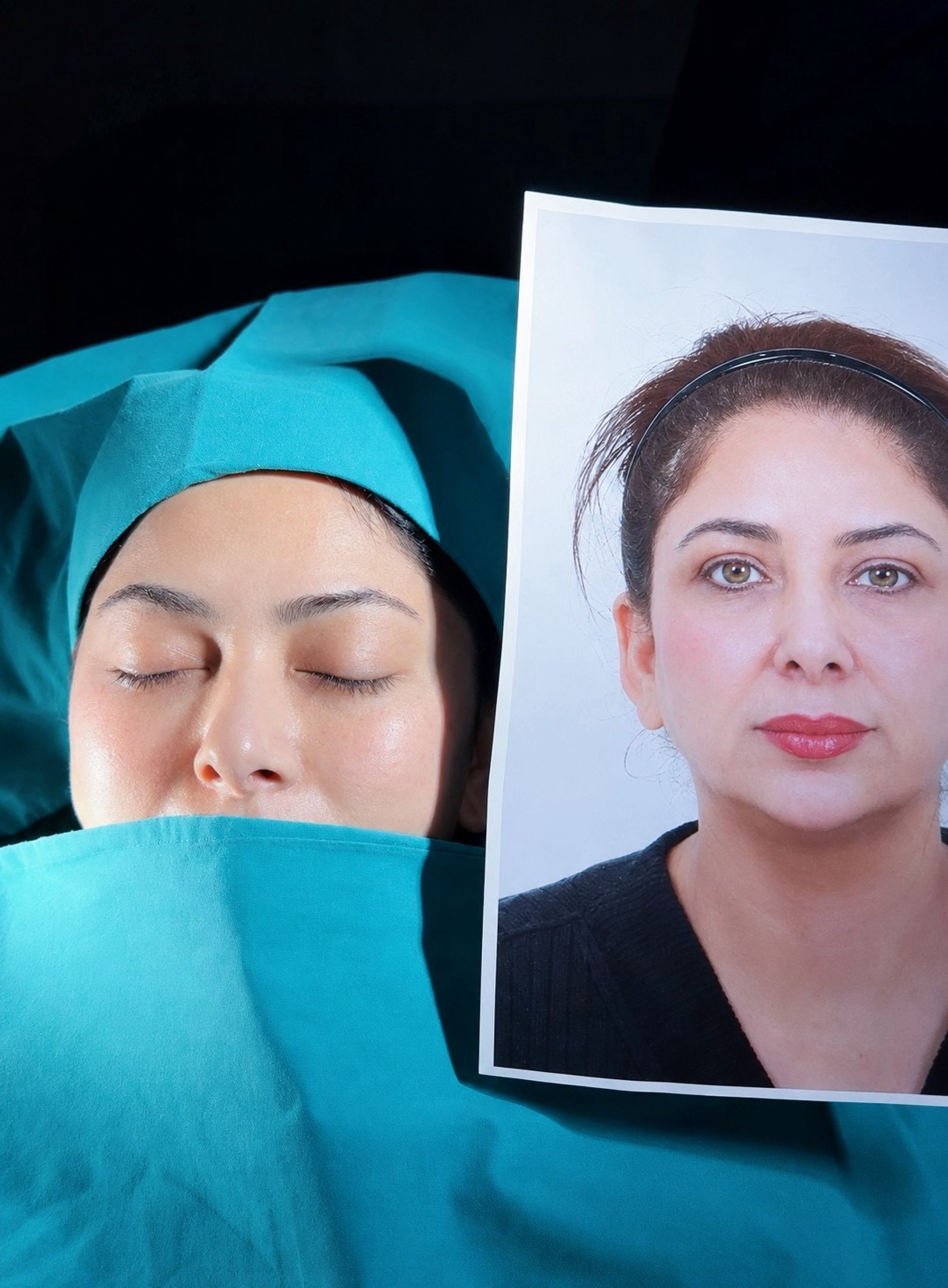
As we age, changes in skin elasticity and facial structure can gradually affect the way we look and feel. The cheeks may begin to descend, smile lines may appear deeper, and loose tissue around the lower face can create jowls or fullness beneath the chin.
For Monika Khurana, these changes had become her main concerns. She wanted a firmer and more defined facial appearance while still looking natural and recognisably herself.
After a detailed facial assessment, Monika underwent a Full Face Lift with correction of the lower cheeks and jowls.
Monikas Main Concerns Before Surgery
Before surgery, Monika was concerned about several connected signs of facial ageing:
- Sagging skin across the face
- Deep nasolabial folds and smile lines
- Drooping and heaviness of the lower cheeks
- Jowls along the jawline
- Loose tissue and fullness beneath the chin
These concerns were not limited to one isolated area. They were connected to changes in the position and support of the deeper facial tissues. Treating only the surface of the skin might not have fully addressed the overall shape of her face, jawline and upper neck.
Monikas Personalised Surgical Plan
Monikas treatment plan was designed to improve several connected areas together:
- Full Face Lift to reposition and support descended facial tissues
- Lower Cheek Correction to reduce heaviness around the lower face
- Jowl Correction to create a cleaner and more defined jawline
- Under-Chin Contouring to improve visible looseness and fullness beneath the chin
The goal was not to change her identity or create an overly tight appearance. The surgical plan focused on restoring facial balance and creating a firmer, smoother and more refreshed contour.
Why a Full Face Lift Was Recommended
A full face lift may be considered when ageing changes affect several connected areas, including the cheeks, lower face, jawline and upper neck.
Rather than treating each concern separately, the procedure allows the surgeon to assess how the facial tissues have descended and reposition them as one balanced structure.
For Monika, the procedure aimed to:
- Reposition sagging cheek tissues
- Reduce heaviness in the lower cheeks
- Soften the appearance of deep facial folds
- Improve visible jowls
- Create a clearer jawline
- Improve the contour beneath the chin
- Preserve natural facial expressions
Correcting the Lower Cheeks and Jowls
One of Monikas most noticeable concerns was the heaviness around her lower cheeks and jawline.
As the supporting tissues of the face descend, they may collect around the lower face. This can blur the jawline, create jowls and make the face appear heavier or more tired.
During surgery, the facial tissues were carefully repositioned to provide improved support. This helped create a smoother transition between the cheeks, jawline and upper neck.
Improving the Area Beneath the Chin
Monika also wanted to reduce the appearance of loose tissue and fullness beneath her chin.
The under-chin area may be affected by skin laxity, descended facial tissues and reduced definition between the jaw and neck. Her treatment plan therefore considered the lower face and upper neck as connected areas.
The aim was to create a smoother contour beneath the chin and a more defined transition between the jawline and neck.
Real Surgery, Real Incisions and Real Recovery
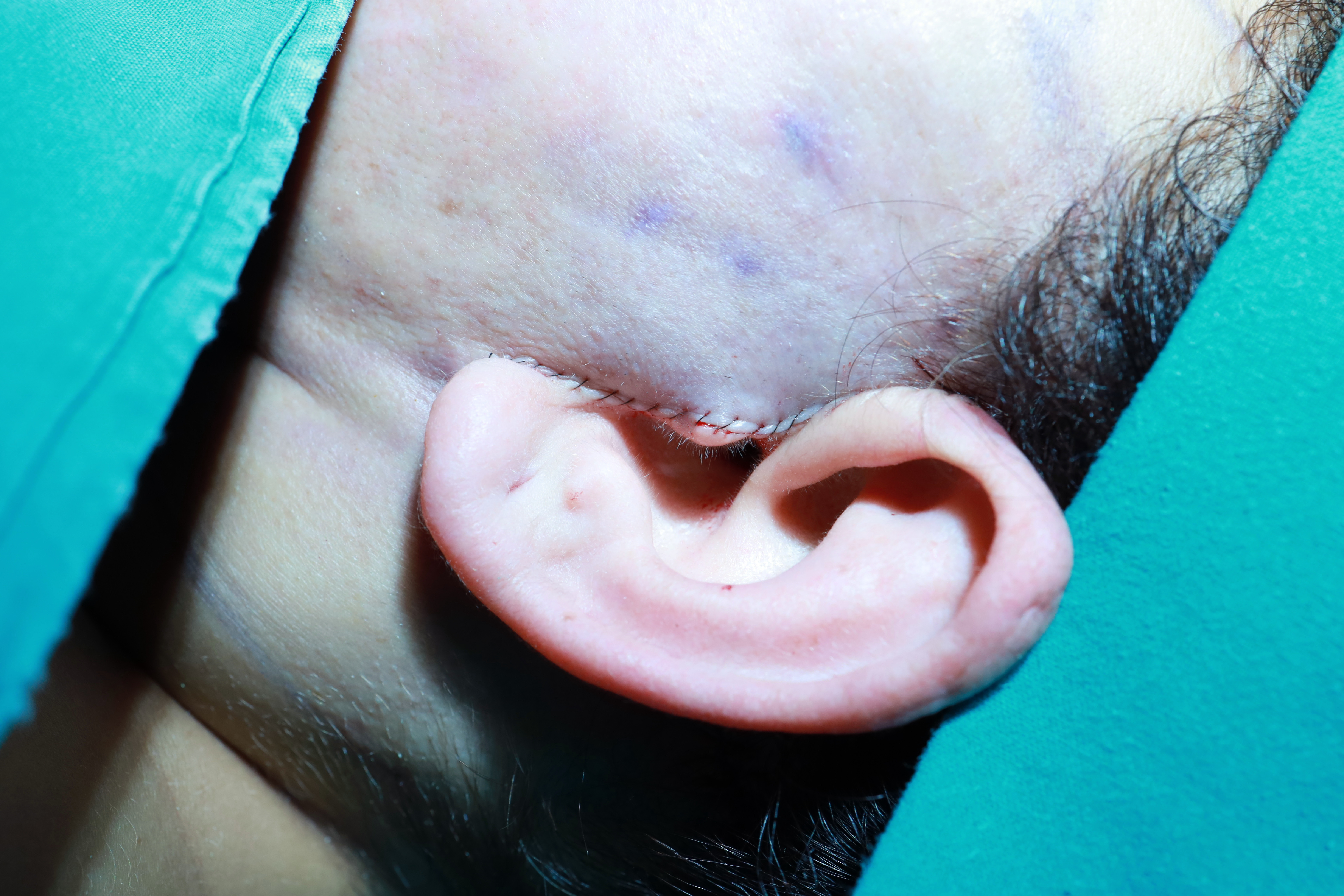
At Aesthetic Voyage, we believe patients should see more than carefully selected final photographs. Facial surgery involves real incisions, swelling and a recovery period.
Face lift incisions are commonly positioned around the natural contours of the ear and, when required, may extend into the hairline. The exact incision pattern depends on the patients anatomy, the areas being treated and the surgeons surgical plan.
During the early healing stage, an incision may appear red, firm or slightly raised. Its appearance generally changes gradually as the tissues recover.
By showing genuine patient photographs and real stages of recovery, prospective patients can better understand the incision location, healing process and changes that occur after surgery.
What Changed After Surgery?
Following her full face lift, Monikas face appeared firmer and more structured. The treatment addressed the connected areas that had caused her lower face to appear heavy and less defined.
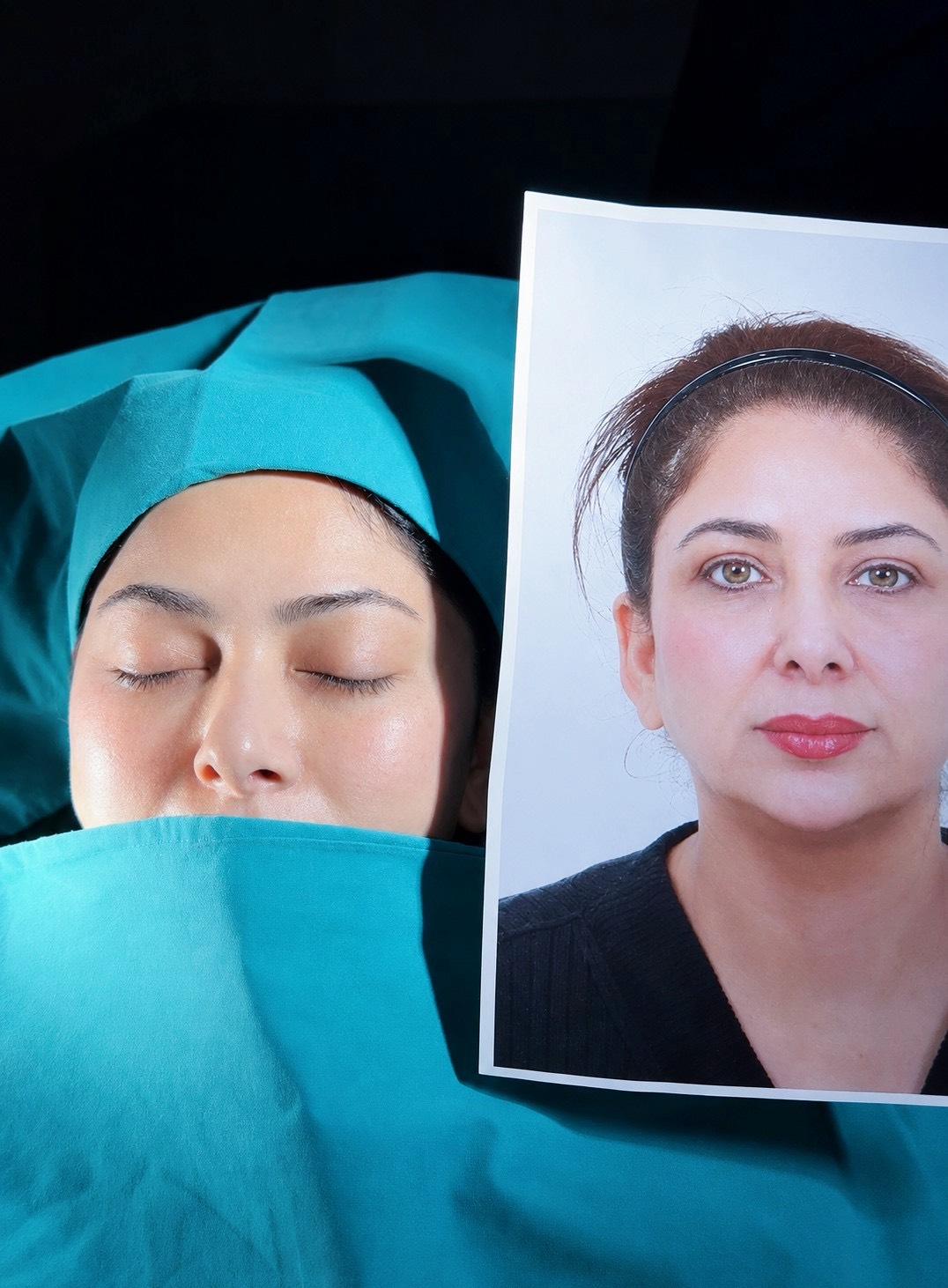
The visible improvements included:
- A more lifted appearance through the cheeks
- Reduced heaviness in the lower cheeks
- Softer-looking facial folds
- Improvement in the appearance of jowls
- A clearer and more defined jawline
- A smoother contour beneath the chin
- A refreshed appearance without changing her identity
A Natural Result Without an Over-Pulled Appearance
One of the most common concerns patients have about face lift surgery is whether the result will appear tight, stretched or unnatural.
Modern face lift surgery is not simply about pulling the skin backward. A natural-looking result depends on assessing and repositioning the deeper facial tissues while removing only the appropriate amount of excess skin.
For Monika, the objective was to improve facial sagging, deep folds, lower-cheek heaviness, jowls and the under-chin area while preserving the features that made her look like herself.
Who May Benefit from a Full Face Lift?
A full face lift may be considered by patients experiencing several of the following concerns:
- Moderate to significant facial sagging
- Descending or heavy-looking cheeks
- Deep smile lines or nasolabial folds
- Jowls along the lower face
- Loose skin beneath the chin
- Loss of jawline definition
- Reduced separation between the face and neck
- Non-surgical treatments that no longer provide the desired improvement
However, not every patient needs the same procedure. Some may be more suitable for a lower face lift, neck lift, brow lift, eyelid surgery or a combination of treatments.
Why We Share Real Patient Cases
Choosing facial surgery can feel overwhelming, especially for international patients researching procedures, surgeons and hospitals from another country.
Aesthetic Voyage shares real patient journeys to help prospective patients understand:
- The patients concerns before surgery
- The reasons behind the recommended procedure
- The areas treated during surgery
- The location and appearance of real incisions
- The different stages of recovery
- The type of change that may be achievable
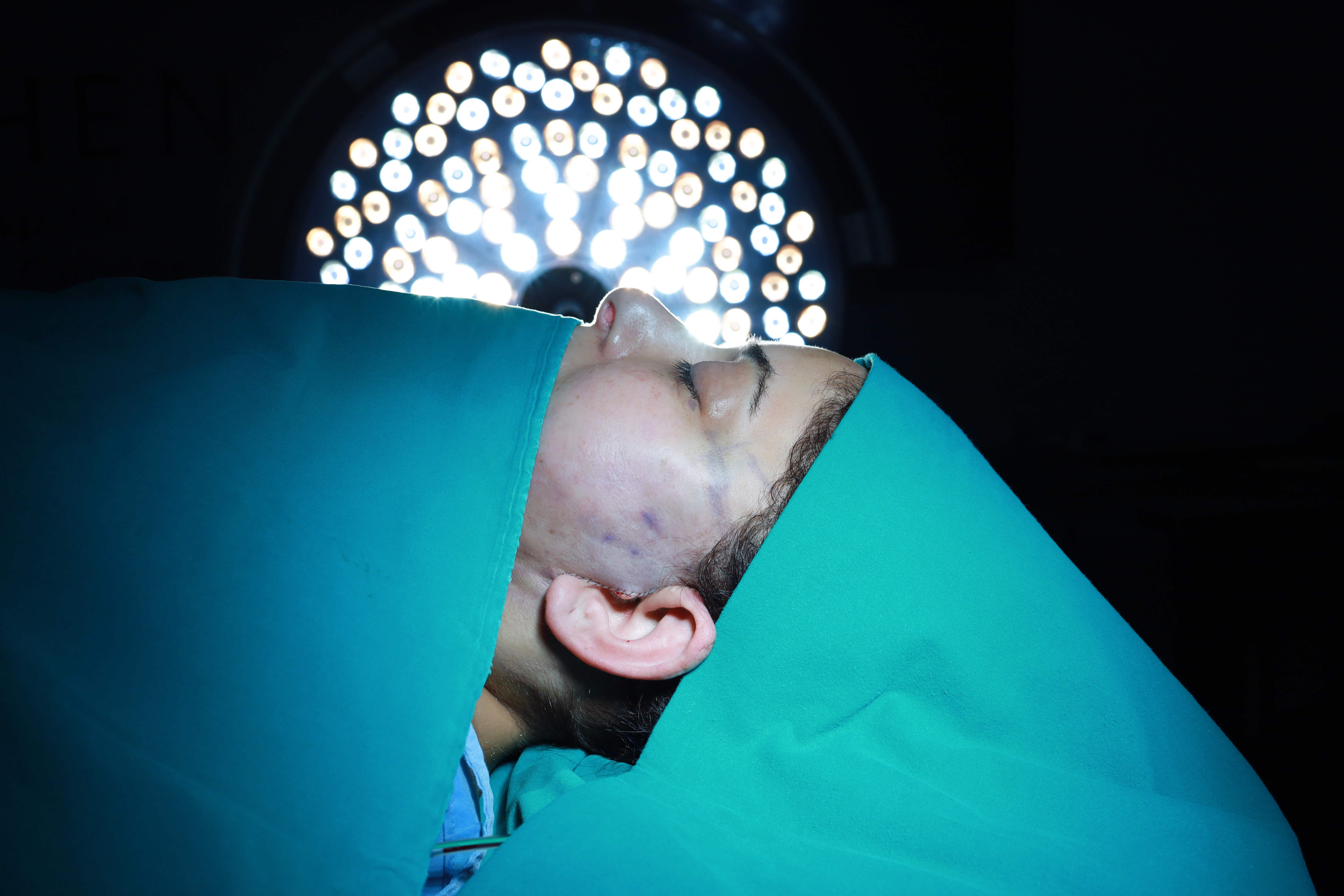
Monikas case demonstrates how a full face lift can address several connected concerns, including sagging cheeks, deep facial folds, jowls and loose tissue beneath the chin.
Considering a Face Lift in Thailand?
Patients considering a face lift should begin with a personalised medical consultation. The surgical team will assess the face as a whole rather than focusing on only one fold or one area of loose skin.
The assessment may include:
- The degree of facial and neck laxity
- The position of the cheeks and deeper facial tissues
- The appearance of the jawline and jowls
- The amount of loose tissue beneath the chin
- Previous facial procedures or treatments
- General health and suitability for surgery
- The patients priorities and expected outcome
International patients may begin with an online assessment by submitting clear photographs from the front, both sides and three-quarter angles, together with a description of the areas they would like to improve.
Patient Notice: Monikas outcome reflects her individual anatomy, surgical plan and healing process. Recovery time, scar appearance and surgical results vary between patients. No specific result can be guaranteed. A medical consultation is required before treatment.